

Chrome image workflow extension

Pixel Flow organizes web image inspection, source records, and archiving in one workflow.

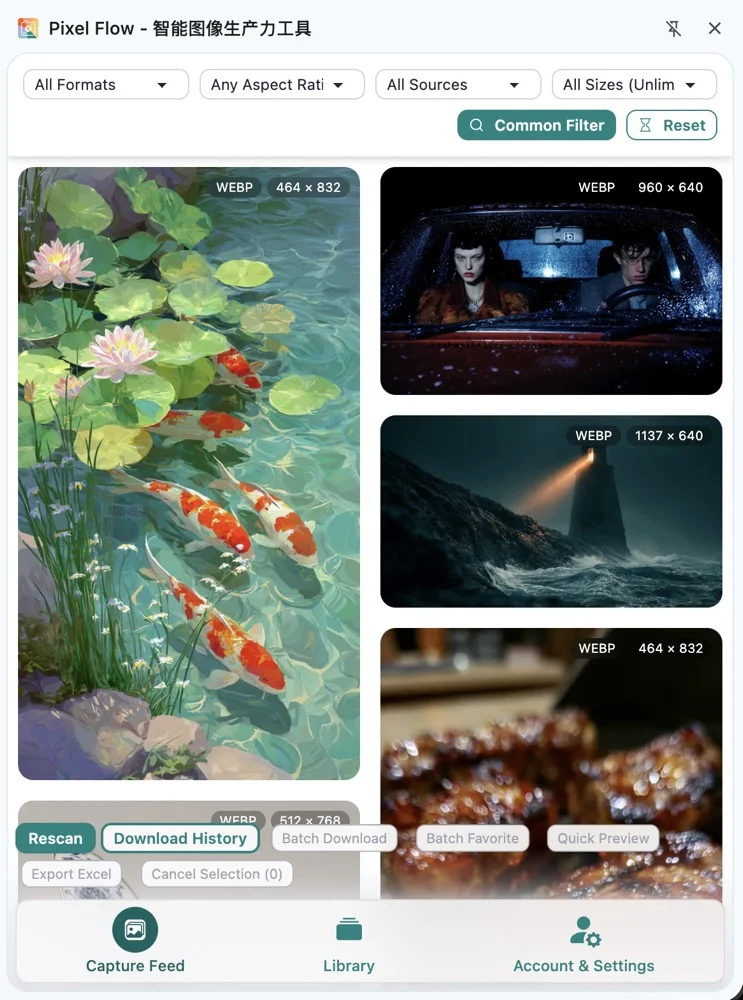
Pixel Flow is a user-controlled Chrome extension that helps people inspect images, collect assets, keep source records, archive personal workflows, and support later rights review on pages they are authorized to access and use. It adds a browser side panel that scans images on the current page, filters results by dimensions, format, source, tags, and other useful attributes, saves user-selected assets into a local library, analyzes available metadata, and exports organized source records for later work.

Pixel Flow side panel scanning images on a webpage
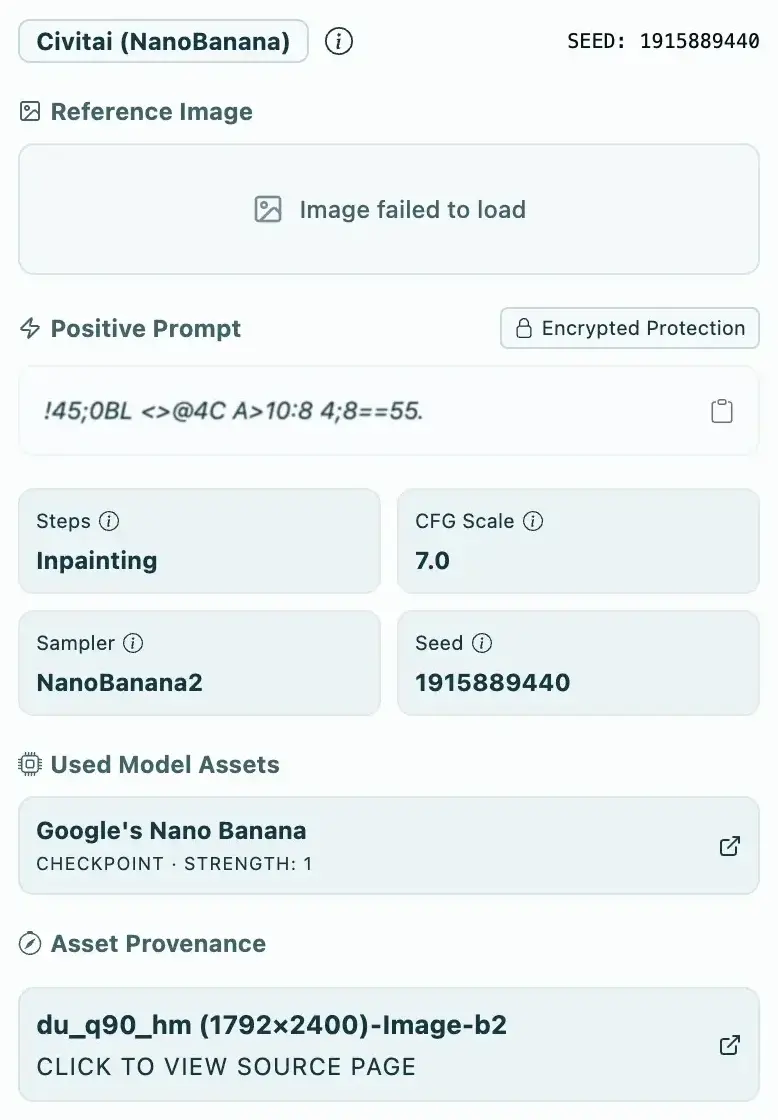
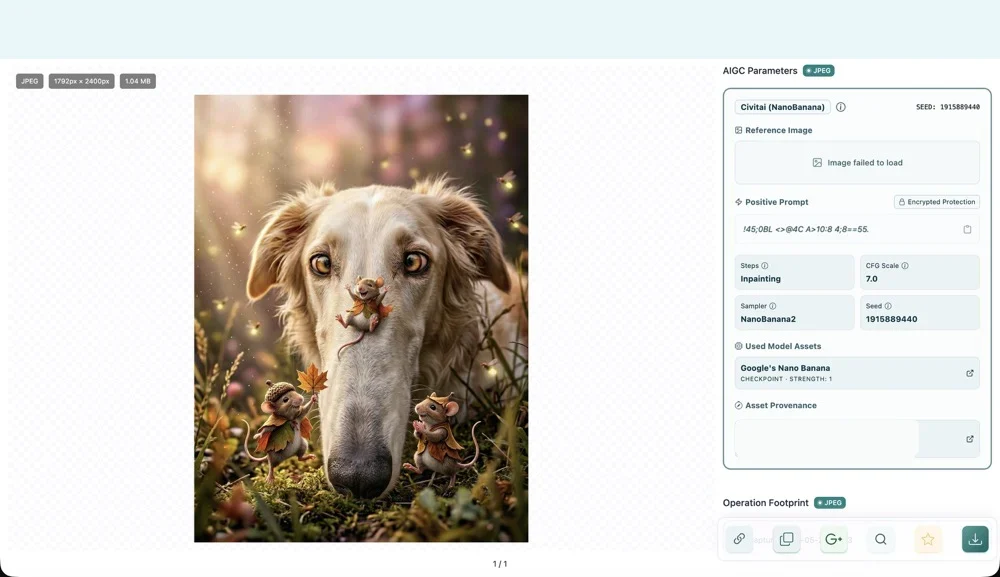
AIGC generation parameters panel
AI fingerprint detection — 99% confidence

What is Pixel Flow?

Pixel Flow is a user-controlled Chrome extension that turns web image inspection, asset collection, source records, and export into a structured personal workflow. Instead of opening images one by one, users can scan the current page, preview detected images, save favorites, add tags, inspect metadata, and download selected assets they are authorized to process from a browser side panel.
Who is Pixel Flow for?

Pixel Flow is designed for designers, marketers, researchers, content teams, ecommerce operators, and AI image dataset curators who frequently inspect web images, organize visual references, keep source records, and need more control than a standard browser save action provides.

How is Pixel Flow different from a normal image downloader?

Pixel Flow combines image discovery, metadata inspection, library management, tagging, source records, download history, and export in one Chrome extension. It is built for repeatable visual research and asset archiving workflows, not only for one-time file saving.

Core features

Built for repeatable visual research, not one-off saving.

Page image scanning

Detect images on the current page and review them from a focused Chrome side panel.

Useful when a page contains many visual assets, responsive image sources, embedded Base64 images, or images hidden inside modern layouts.

Library and tags

Save images into a personal library, organize them with tags, and return to past collections.

Pixel Flow is built for recurring work where references and downloaded assets need to stay searchable.

Metadata inspection

Review image details such as format, dimensions, color information, EXIF-style metadata, and lifecycle signals.

The analysis views help users understand where an image came from, how it was produced, and whether it is suitable for reuse.

Controlled download and source export

Download selected images, keep download history, and attach Source & Rights Clues by default.

Controlled actions make Pixel Flow useful for audits, visual research boards, ecommerce catalog checks, and content operations.

Use cases

For teams that treat images as working assets.

Pixel Flow fits browser-first workflows where users need context, source awareness, metadata, and repeatable organization.

UI designers and brand designers

Design reference collection

Designers often inspect many websites and need to capture image references without losing context.

Scan a page, preview candidate images, save selected references, add project tags, and revisit them from the library.

Marketing teams and content editors

Marketing and content operations

Content teams need clean image assets, source notes, and repeatable download history across campaigns.

Filter page images, keep only campaign-relevant assets, export source records, and download organized files.

Ecommerce operators and marketplace teams

Ecommerce visual checks

Product pages often contain many image versions, thumbnails, and responsive sources that are hard to inspect manually.

Scan product pages, compare formats and dimensions, identify usable originals, and keep a traceable download history.

AI creators and dataset curators

AI image dataset curation

Dataset work requires source awareness, filtering, metadata checks, and careful selection instead of blind scraping.

Collect only relevant images, review metadata and source context, tag sets by purpose, and export structured records.

AI artists and visual researchers

AI image provenance research

When users find an AI image worth studying or recreating, they need generation clues, model signals, and parameter context instead of a detached saved file.

Open image details, review AIGC parameters, AI fingerprints, Seed, and source clues, then save useful references into the library with style or model tags.

Fans and enthusiast communities

Fan archive and idol material collection

Fans tracking public updates across social platforms may need to organize event photos, official materials, and merchandise images they are allowed to save or use personally by artist, album, or occasion.

Within authorized scopes, scan fan sites or social media pages, filter relevant images, tag saved items by idol name and event type, and build a personal reference archive.